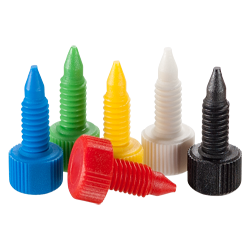
End plugs for HPLC columns are used to seal column ends during storage, transport, and installation, protecting column frits from contamination and physical damage. Properly sealing columns when they are not connected to an instrument helps preserve packing integrity, maintain cleanliness, and support consistent chromatographic performance over time.
These components are small but essential accessories for extending column life and maintaining peak performance.
Purpose & Function
HPLC column end plugs are designed to:
Protect column frits and packed beds from particulate contamination
Prevent solvent evaporation or moisture ingress during storage
Maintain a tight, leak‑free seal when columns are idle
Support safe handling during installation and removal
Using end plugs whenever columns are not in service is a recommended best practice in both analytical and regulated laboratories.
Compatibility
These end plugs are compatible with:
All Cogent® HPLC columns
Most standard HPLC columns using common thread and fitting geometries
They are commonly referred to as column end stoppers and can be used across multiple column brands and systems.
Material & Design Features
Nylon construction provides chemical resistance suitable for common HPLC solvents
Color‑coded design allows quick visual identification and organization
Economical, low‑cost format supports routine use and replacement
The lightweight, durable design makes these end plugs suitable for repeated handling and long‑term laboratory use.
Applications & Use Cases
End plugs for HPLC columns are commonly used during:
Column storage between runs
Transport of columns between instruments or locations
Installation and removal of columns from systems
Preventive maintenance and inventory management
They are especially useful in laboratories managing multiple columns or shared instruments.
Best‑Practice Recommendation
For optimal column care, use end plugs whenever a column is not connected to an instrument, even for short periods. Consistent use helps reduce accidental contamination and extends column service life.
Related Categories